Welcoming the delegation from Hanoi University of Pharmacy were Assoc. Prof. Dr. Nguyen Manh Tuyen – Vice President; Assoc. Prof. Dr. Do Hong Quang – Head of the Academic Affairs Office; MSc. Tran Thi Lan Huong – Vice Head of the Academic Affairs Office, along with representatives from various functional departments and faculties. Representing Hanoi National University of Education were Assoc. Prof. Dr. Nguyen Duc Son – President; Assoc. Prof. Dr. Nguyen Lan Hung Son – Acting Head of the Student Affairs Office; Dr. Tran Ba Trinh – Head of the Academic Affairs Office; Dr. Tran Cuong – Acting Head of the Center for Quality Assurance; Dr. Do Trung Kien – Vice President of the School of Mathematics and Computer Science; Prof. Dr. Dang Ngoc Quang – Dean of the Faculty of Chemistry; and Assoc. Prof. Dr. Tran Duc Hau – Dean of the Faculty of Biology.
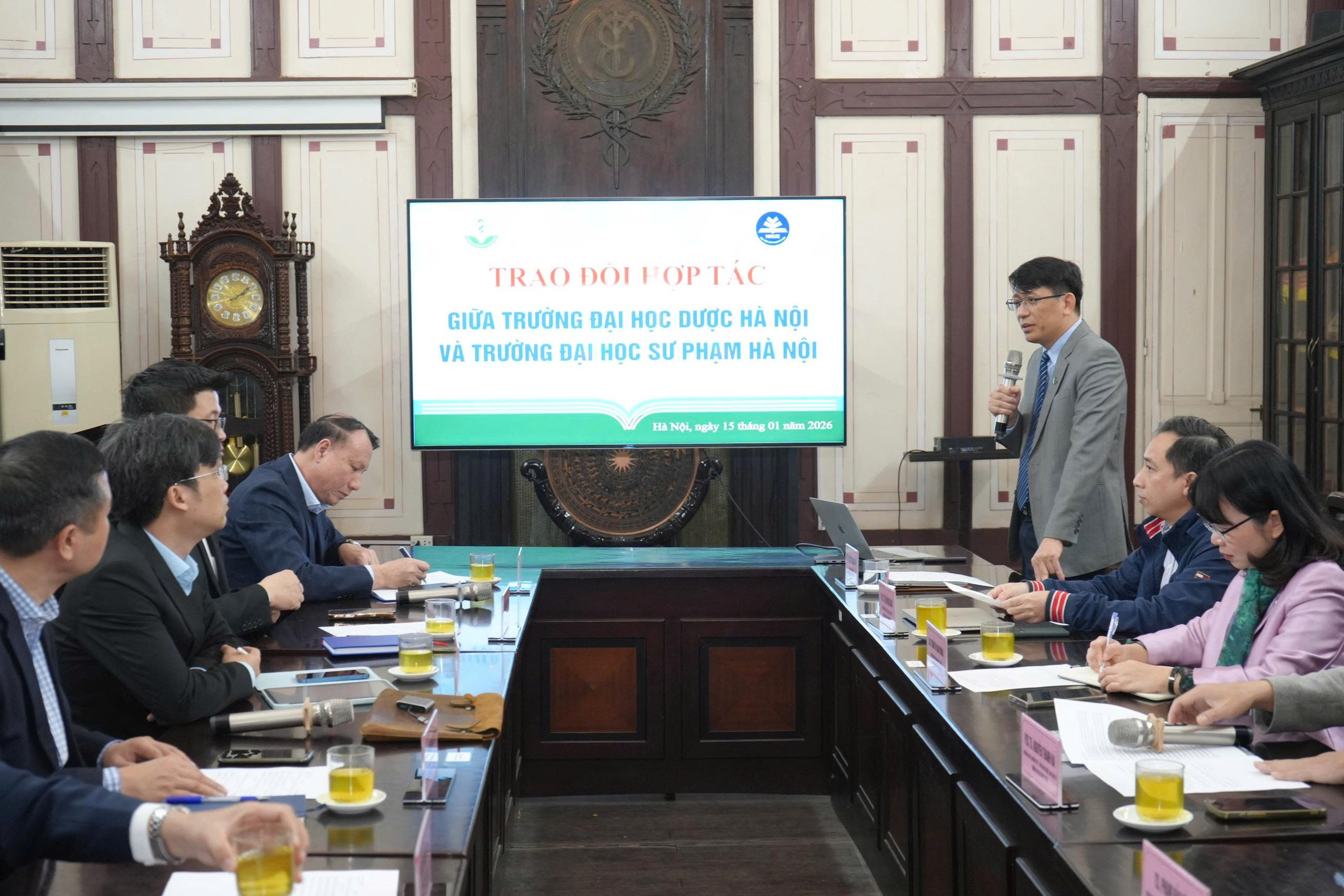
Image 1. Assoc. Prof. Dr. Nguyen Manh Tuyen, Vice President of Hanoi University of Pharmacy, delivers a welcoming speech to the HNUE delegation.
Welcoming the HNUE delegation, Assoc. Prof. Dr. Nguyen Manh Tuyen expressed his delight at the potential relationship and emphasized the importance of educational linkages amidst the fundamental and comprehensive reform of education and training. He noted that this meeting allows both universities to exchange information, share development orientations, and discuss cooperation in training, teaching, and scientific research based on their respective traditions. With a history of over 120 years, HUP originated from the Indochina School of Medicine founded in 1902, later becoming the Hanoi College of Pharmacy in 1961 and now Hanoi University of Pharmacy.
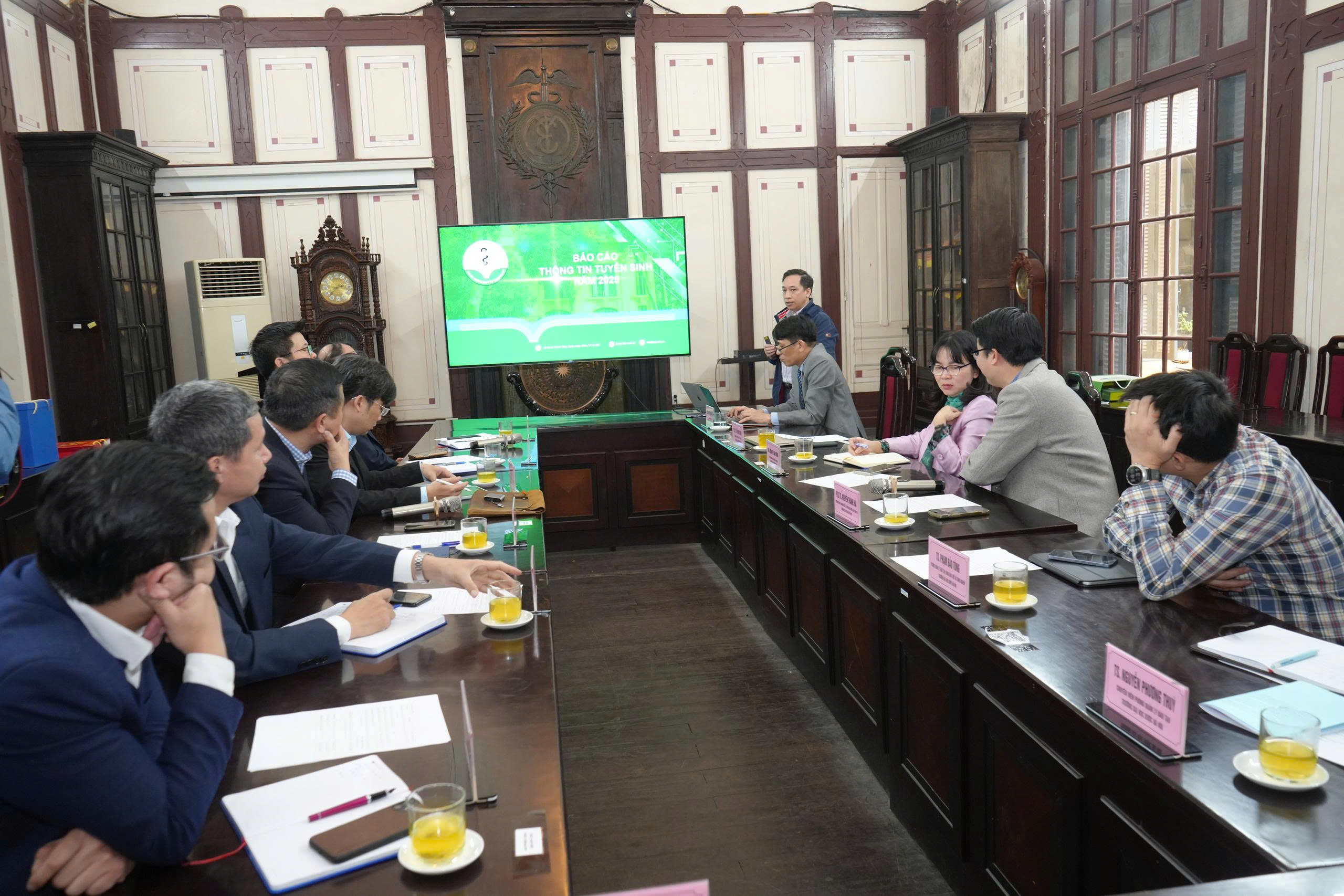
Image 2. Assoc. Prof. Dr. Do Hong Quang, Head of the Academic Affairs Office, shares information on HUP’s training programs and admissions.
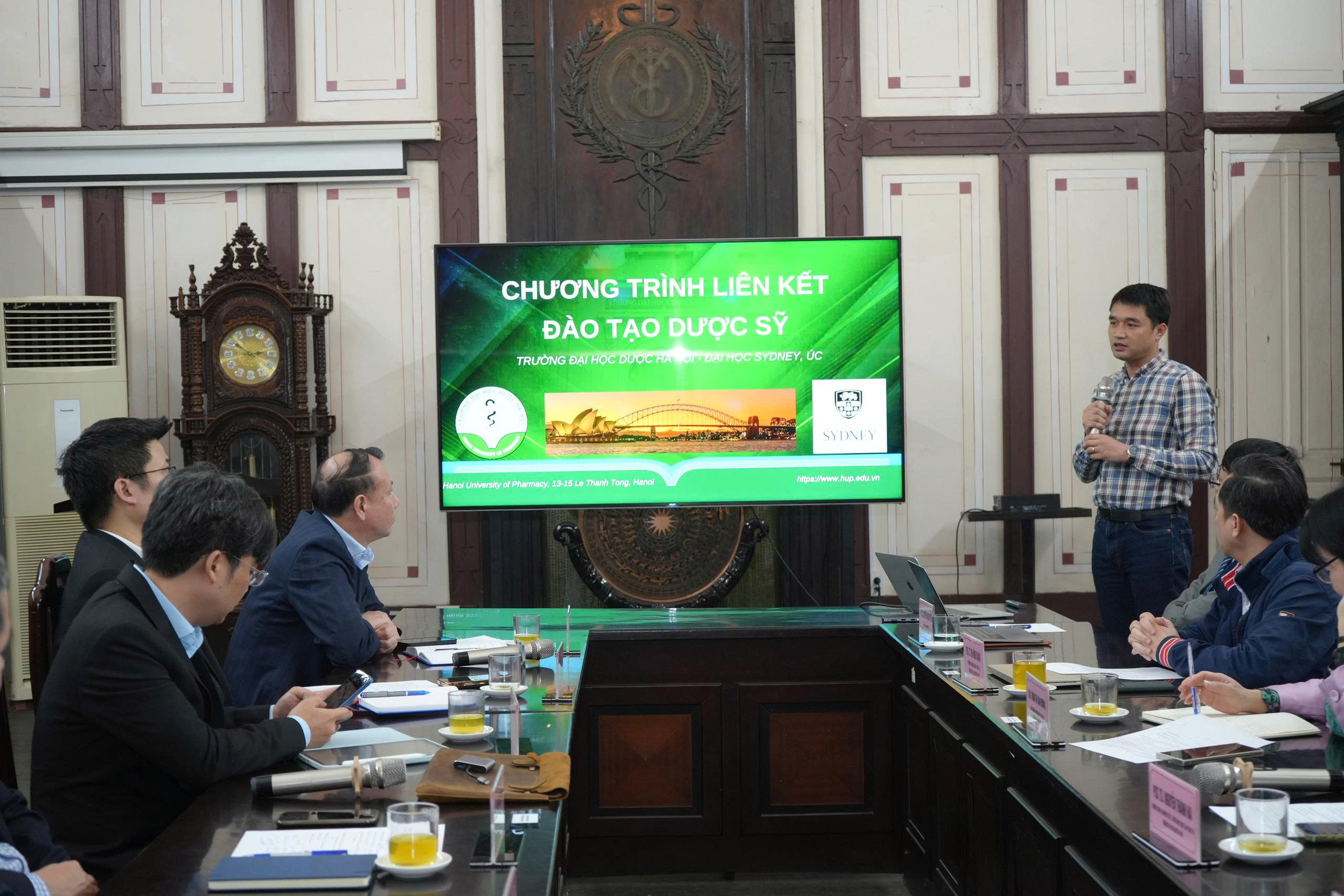
Image 3. Dr. Pham Bao Tung, Program Coordinator, introduces the Pharmacist joint training program at HUP.
Discussing HUP’s undergraduate programs, Assoc. Prof. Dr. Do Hong Quang stated that besides the traditional Pharmacy major, the university also offers programs in Pharmaceutical Chemistry, Chemistry, and Biotechnology. Currently, the school has a joint training program with the University of Sydney School of Pharmacy, consisting of 3 years in Vietnam and 3.5 years in Australia. Dr. Pham Bao Tung highlighted that upon graduating from this 6.5-year program, students receive three degrees: a Pharmacist degree (issued by HUP), a Bachelor of Pharmacy, and a Master of Pharmacy Practice (issued by University of Sydney School of Pharmacy). Additionally, HUP offers 7 Master’s programs, providing opportunities for graduates from HNUE’s Faculty of Biology and Faculty of Chemistry to pursue further postgraduate studies at HUP.
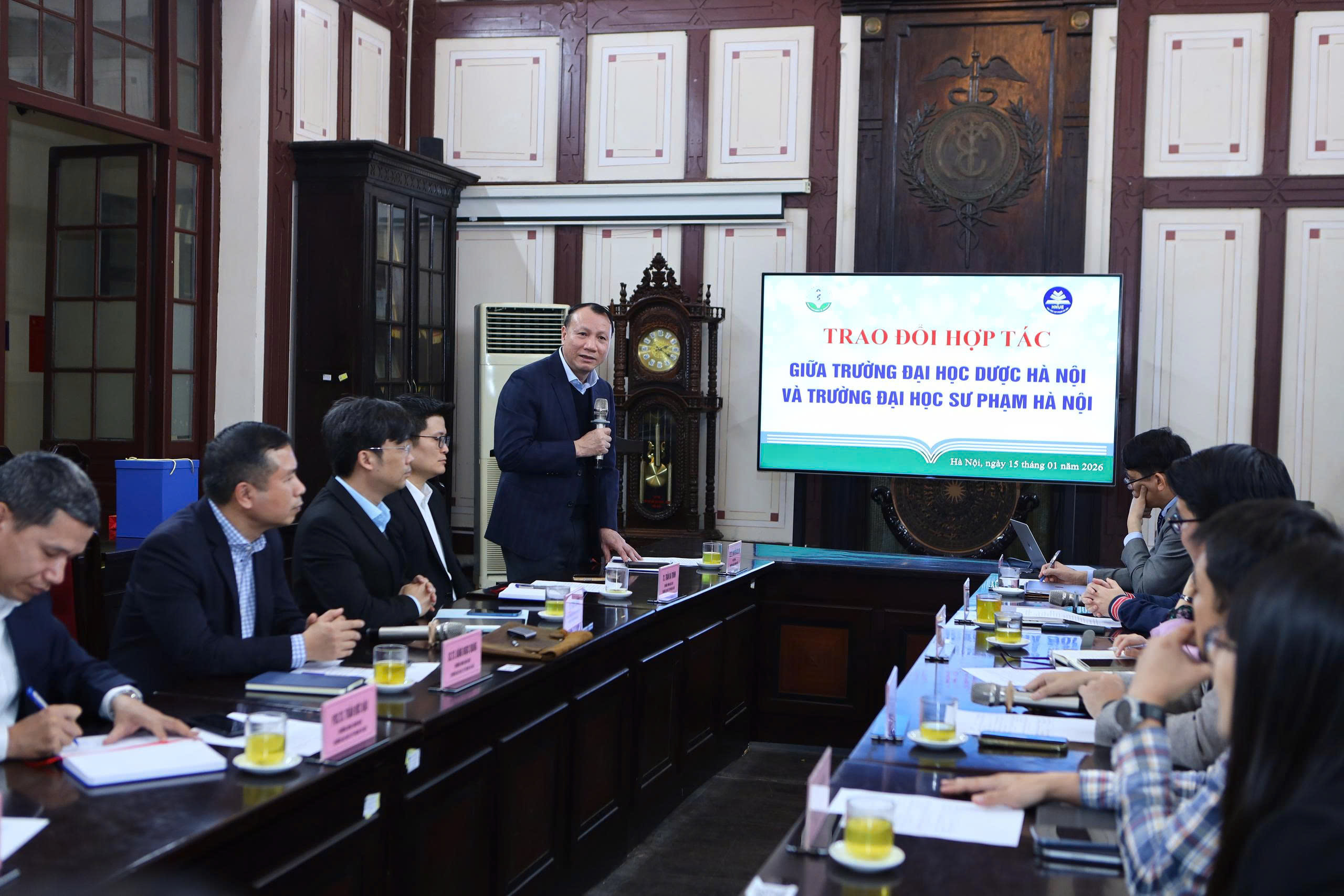
Image 4. Assoc. Prof. Dr. Nguyen Duc Son, President of HNUE, shares insights on areas of mutual interest.
Speaking at the session, Assoc. Prof. Dr. Nguyen Duc Son, President of Hanoi National University of Education, thanked the HUP leadership for their warm hospitality. He emphasized that this working session is vital for enhancing understanding between two leading universities in education and health sciences. President Nguyen Duc Son noted similarities in several undergraduate and postgraduate programs, such as Chemistry, Pharmaceutical Chemistry, and Biotechnology. He highlighted that HNUE is not only prestigious in educational research but also possesses a long tradition in basic sciences with internationally recognized scientists. In the coming period, a comprehensive cooperation agreement will provide a foundation to boost activities in training and research. In the immediate future, the two schools may collaborate on admissions to select high-quality students for both the teaching profession and health sciences. Over the past years, HNUE has organized the SPT, which closely follows the general education curriculum. The leadership of both universities assigned functional departments to further explore using SPT results for HUP’s admissions to select candidates with genuine aptitude for the pharmaceutical field. Furthermore, the two schools may develop pathway programs for postgraduate levels.
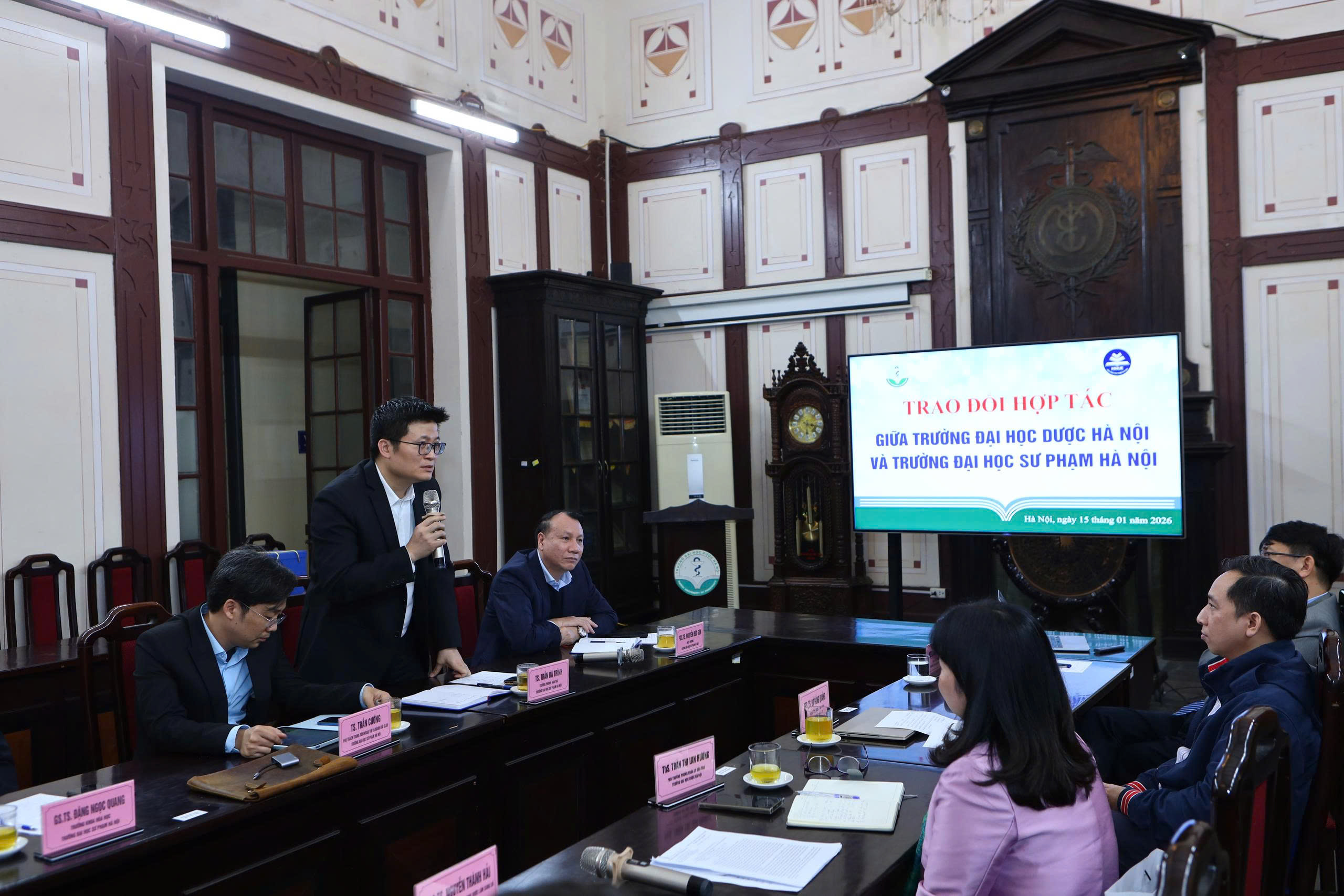
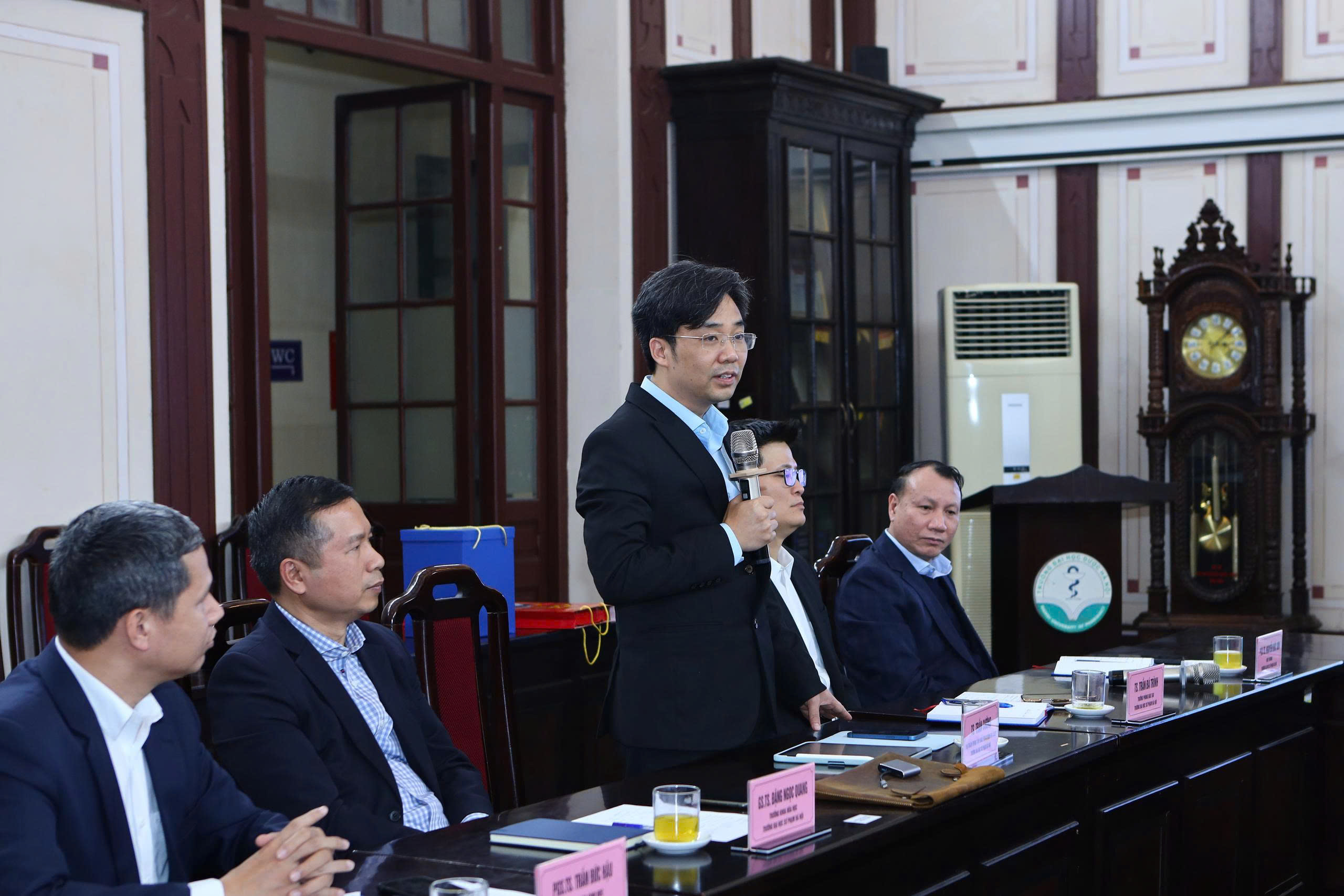
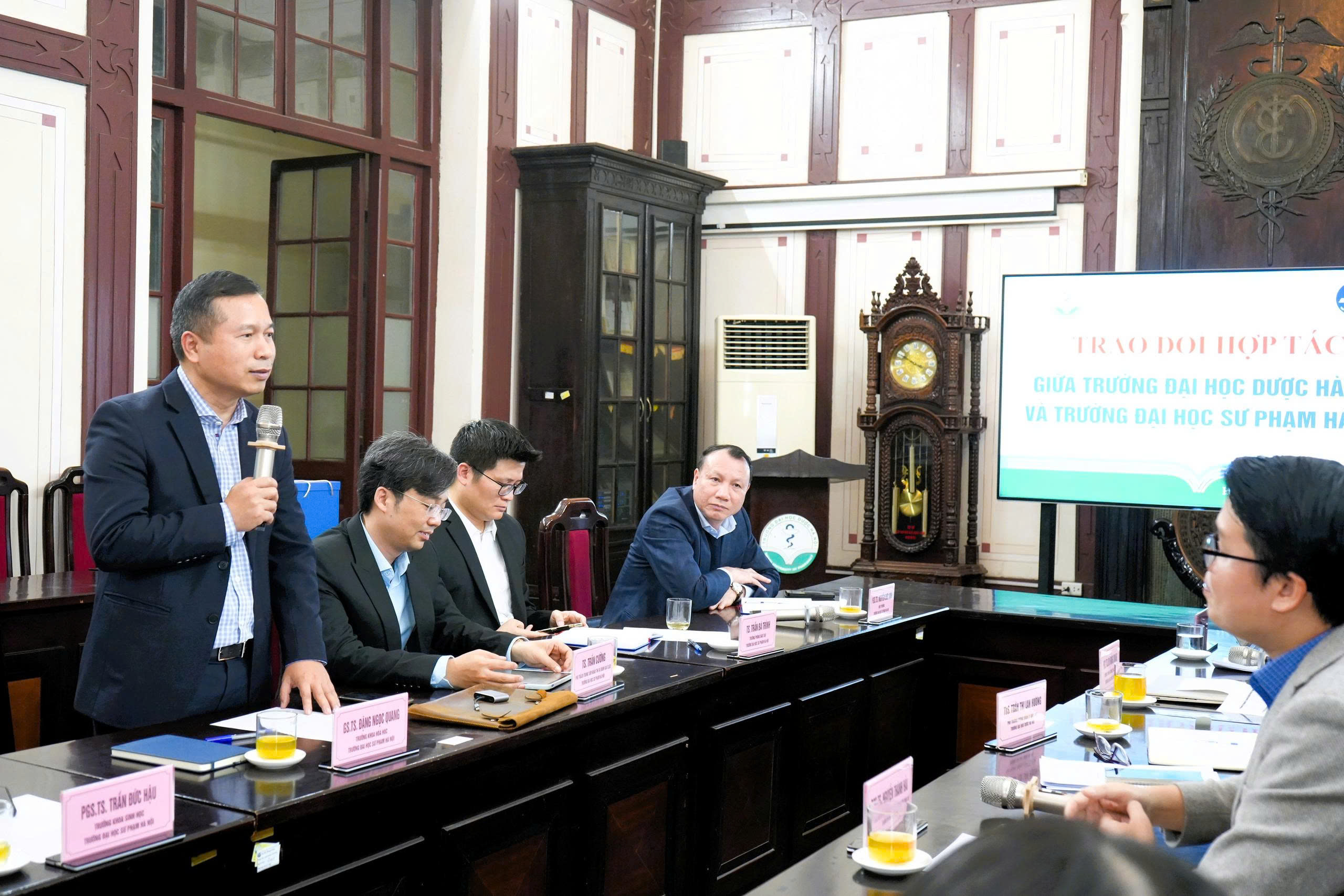
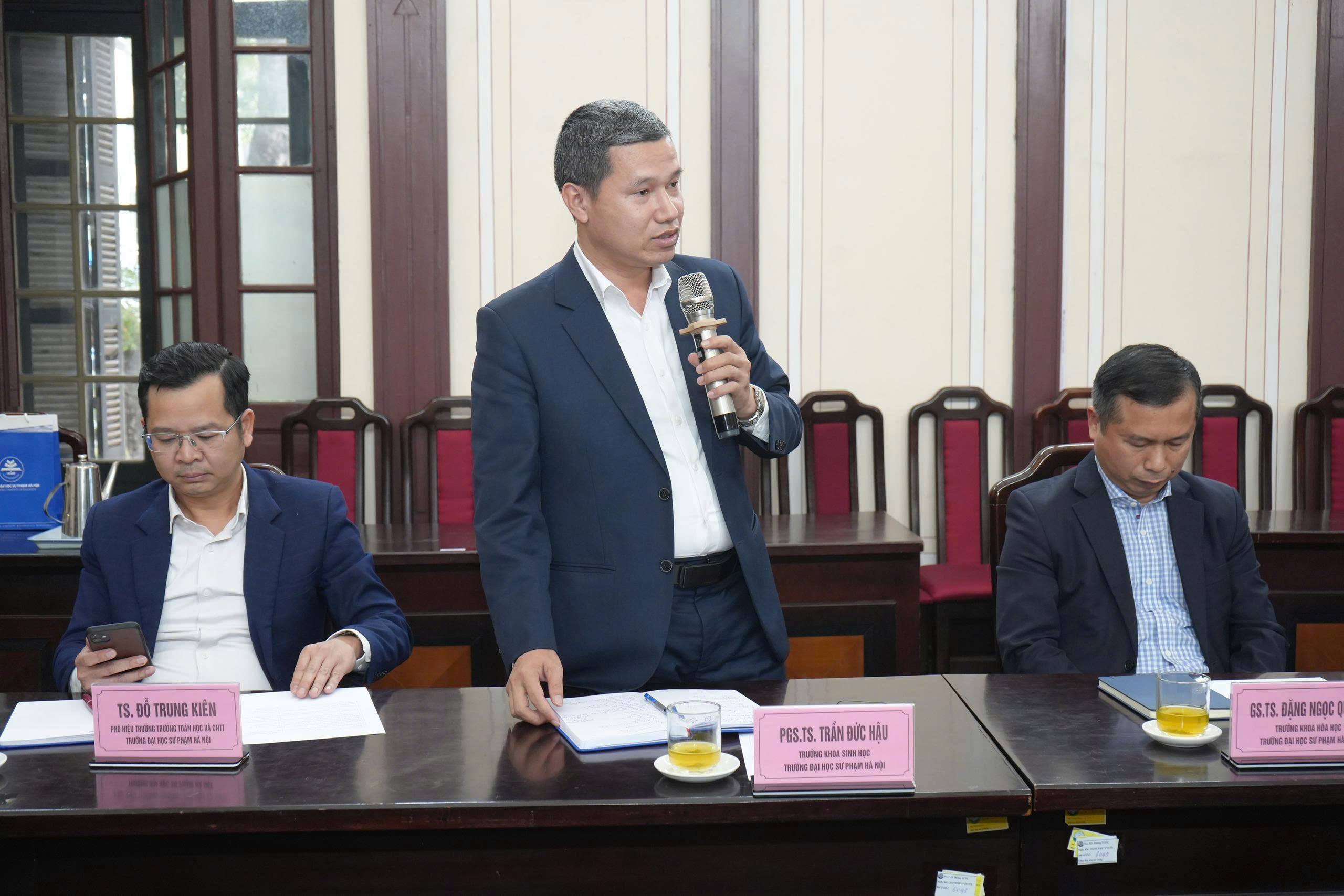
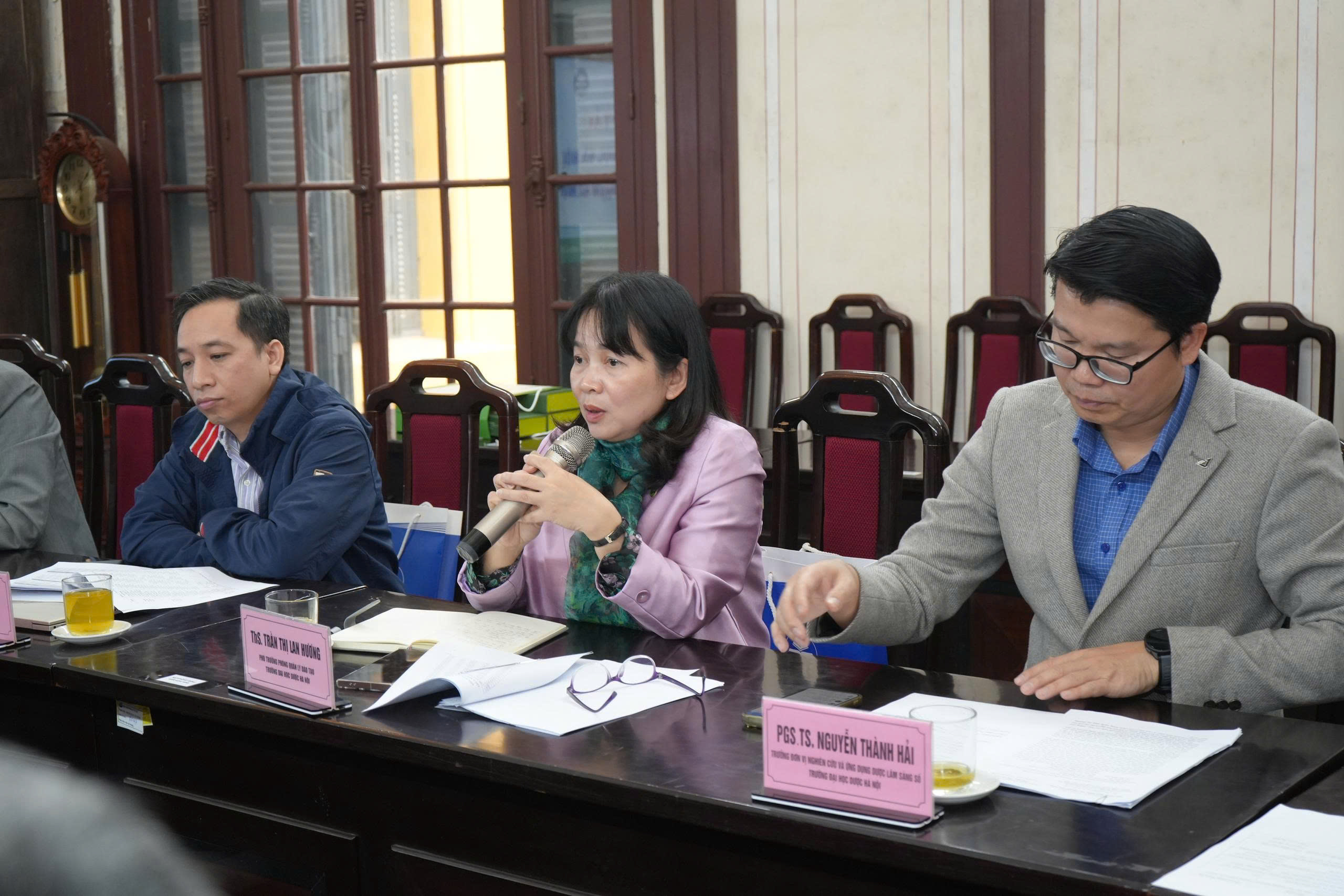
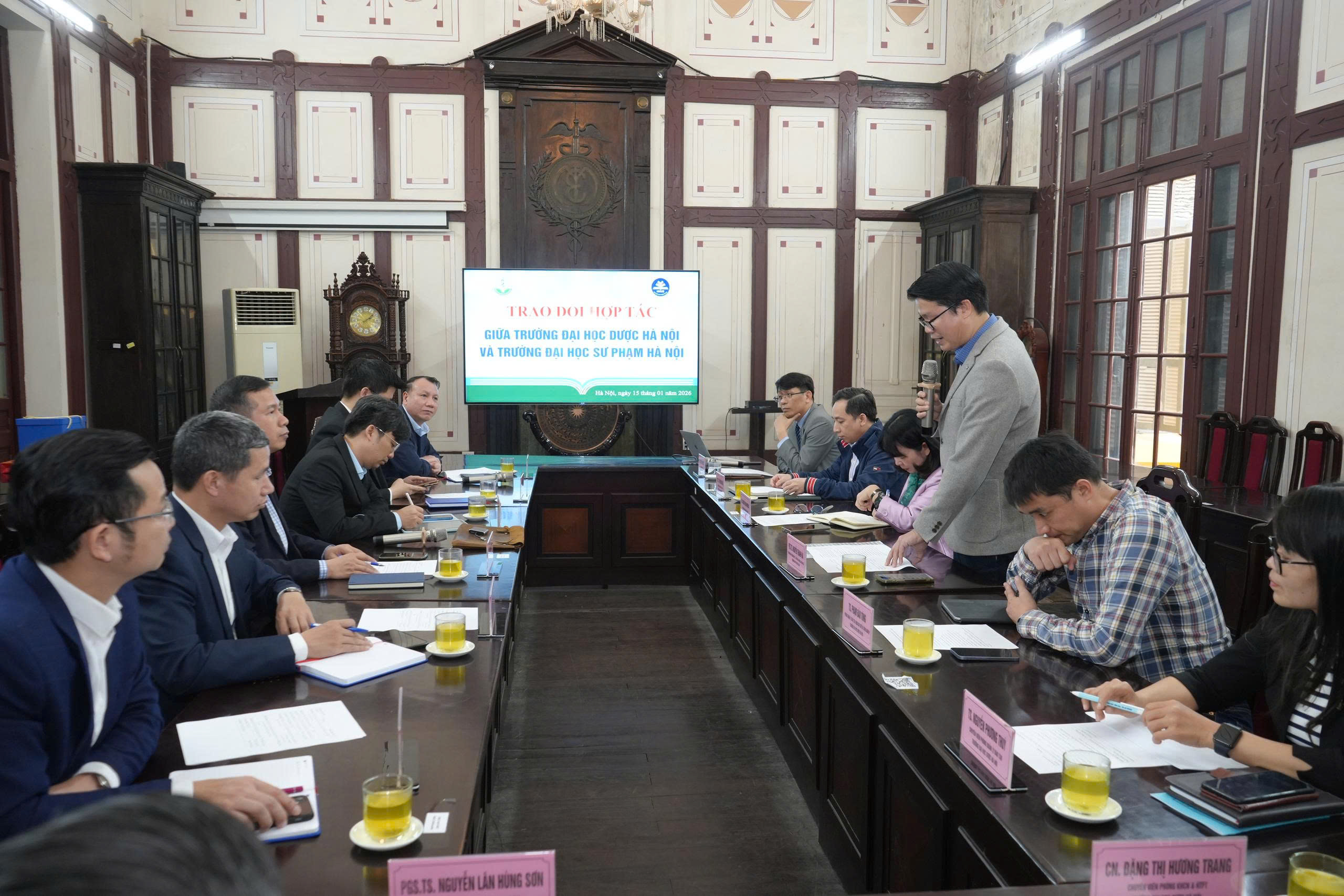
Image 5. Leaders of functional departments and faculties from both universities share insights during the working session.
During the session, leaders from both sides discussed training programs, research directions, and staff potential as a basis for sharing high-quality human resources. In the context of digital transformation, the activities of elite universities must constantly innovate to meet social requirements. Strengthening cooperation to utilize each other's strengths is an essential requirement for sustainable development.
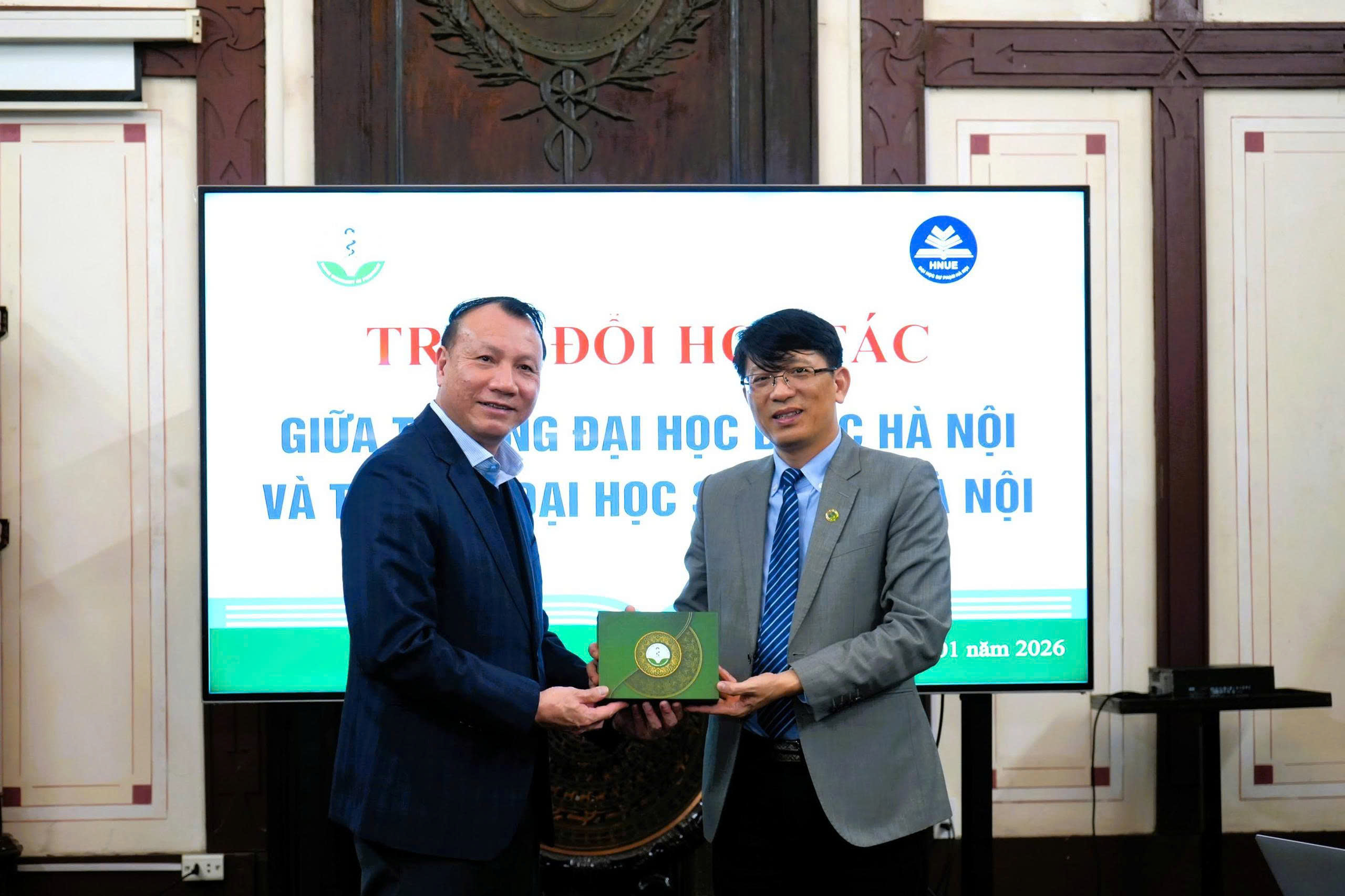
Image 6. Assoc. Prof. Dr. Nguyen Manh Tuyen, Vice President of HUP, presents a souvenir to HNUE.
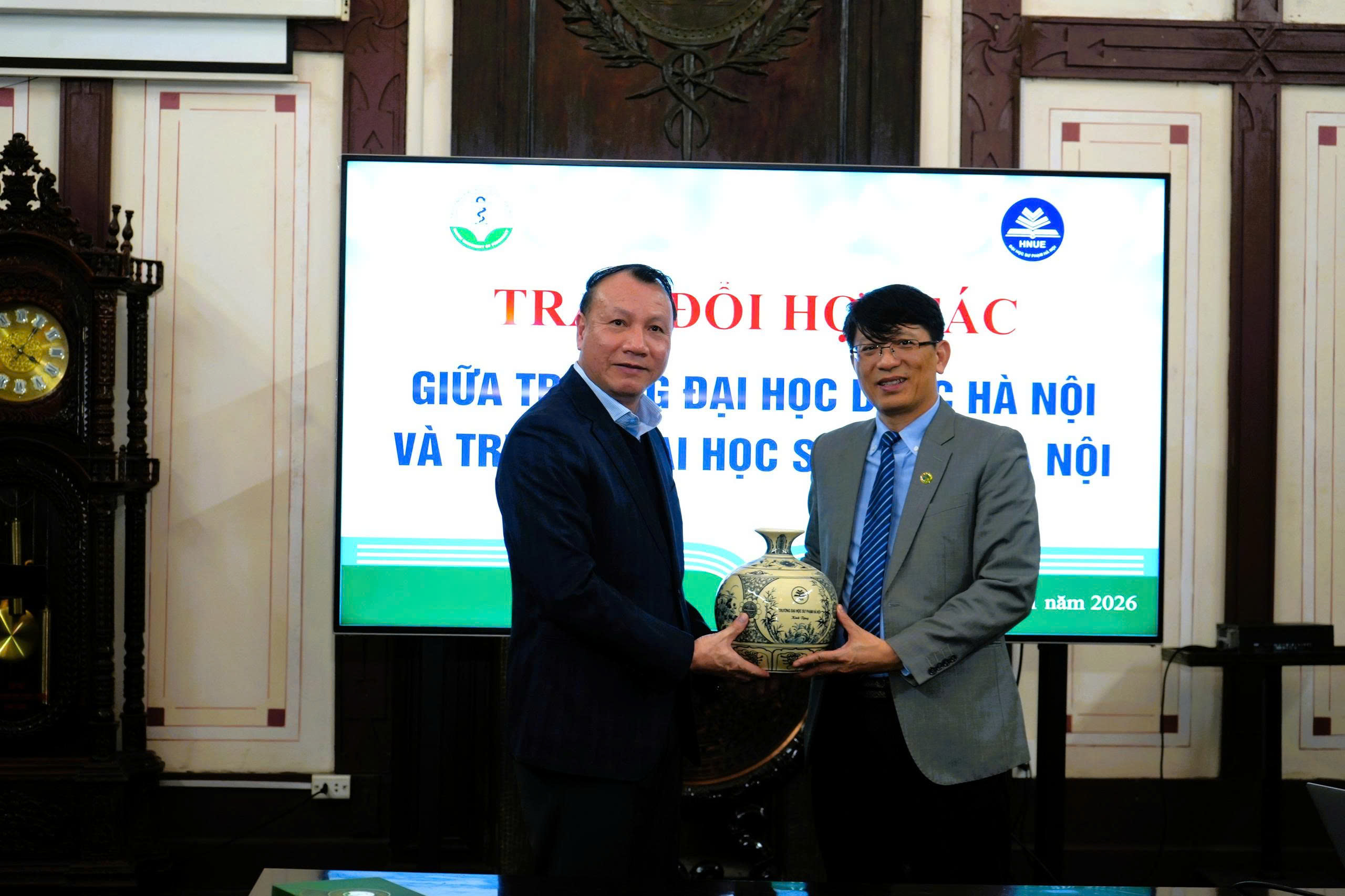
Image 7. Assoc. Prof. Dr. Nguyen Duc Son, President of HNUE, presents a souvenir to HUP.
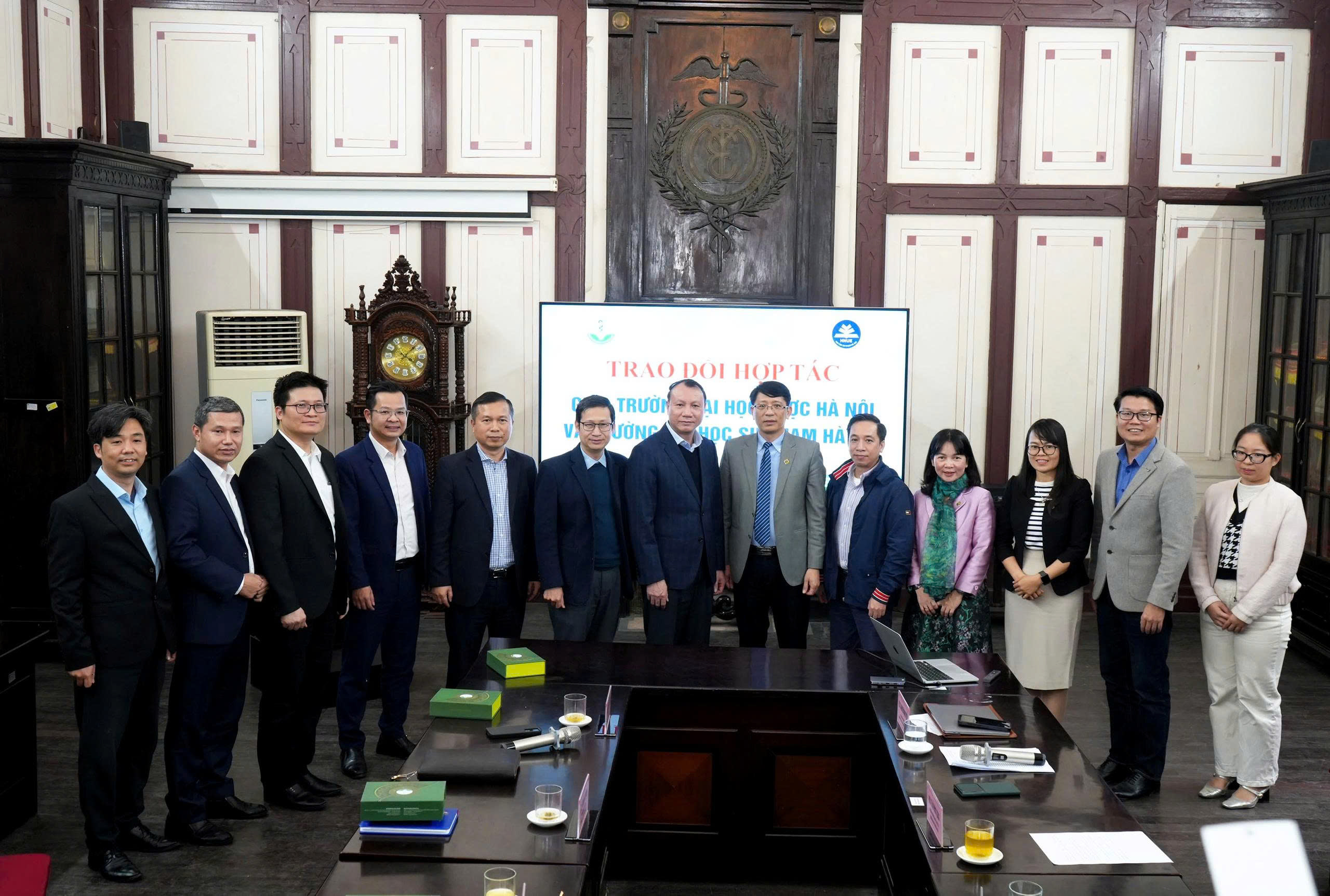
Image 8. Delegates from both universities take a commemorative photo.
The working session took place in an open and constructive atmosphere, opening many practical opportunities. This is expected to be an important prerequisite for long-term cooperation, contributing to the quality of training, scientific research, and human resource development for the education and pharmacy sectors in Vietnam.